
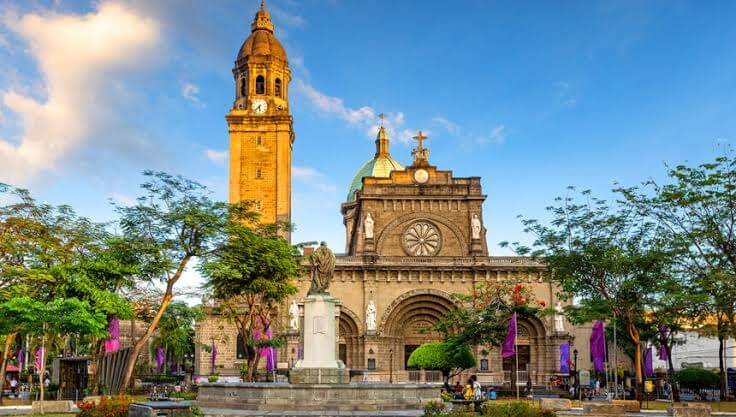

Manila, the capital city of the Philippines, is a vibrant metropolis that offers a unique blend of traditional and modern attractions for tourists to explore. From historical landmarks such as the Intramuros walled city and Rizal Park, to the bustling shopping districts of Makati and Quezon City, there is no shortage of things to see and do in this bustling city. Visitors can also indulge in the local cuisine, which includes dishes such as adobo, sinigang, and halo-halo, while soaking in the rich cultural heritage of the Filipino people. With its warm climate, friendly locals, and diverse range of activities, Manila is a must-visit destination for any traveler looking to experience the vibrant culture of Southeast Asia.
Cathay Pacific provides a flight services from Auckland To Manila making it convenient for tourists to access Manila from around the world. Upon arrival, visitors can easily navigate the city using the efficient public transportation system, which includes buses, taxis, and the iconic jeepneys. For those seeking relaxation, Manila also boasts beautiful beaches such as Boracay and Palawan, where travelers can unwind and soak up the sun. Whether exploring the vibrant markets of Divisoria, taking a leisurely stroll along Manila Bay, or attending a traditional Filipino fiesta, there is no shortage of activities to keep tourists entertained during their stay in this bustling city. With its rich history, diverse culture, and warm hospitality, Manila offers a unique and unforgettable travel experience for all who venture to this dynamic capital city.
Fort Santiago
Fort Santiago is a historical site located in Intramuros, Manila, Philippines. Built in the late 16th century, this fortress served as a defense stronghold during the Spanish colonial period. It was named after Saint James the Great and was originally constructed with logs and earthworks. However, it was later rebuilt using stone in the early 17th century.
This iconic landmark played a significant role in the country’s history. It served as a military headquarters, prison, and garrison for Spanish soldiers. It was also where the national hero, Dr. Jose Rizal, was imprisoned before his execution in 1896. The fort’s walls have witnessed some of the most crucial moments in the Philippines’ struggle for independence.
One of the most prominent features of Fort Santiago is the Rizal Shrine, which houses memorabilia and artifacts related to Dr. Jose Rizal. Visitors can explore the museum and learn about the life and works of this revered figure in Philippine history. The fort also offers a stunning view of the Pasig River, providing a peaceful and serene atmosphere amidst the bustling city.
Today, Fort Santiago stands as a reminder of the country’s rich cultural heritage and its enduring spirit of resilience. It is a popular tourist destination, attracting both locals and foreigners who wish to delve into the Philippines’ history. The fort’s well-preserved architecture and lush gardens make it a picturesque spot for visitors to explore and take in the beauty of Manila’s past. With its historical significance and architectural charm, Fort Santiago continues to be a symbol of pride and national identity for the Filipino people.
Mall of Asia
Mall of Asia, known as MOA to locals, is a premier shopping, dining, and entertainment destination in Manila, Philippines. This sprawling complex boasts an impressive array of shops, restaurants, and attractions, making it a must-visit destination for both locals and tourists alike. With its iconic seaside location and stunning architecture, MOA offers a unique shopping experience unlike any other in the city.
One of the highlights of Mall of Asia is its vast selection of stores, ranging from high-end luxury brands to popular international retailers. Fashion enthusiasts will delight in browsing the latest trends and designer labels, while bargain hunters can enjoy exploring the numerous discount outlets and sales racks. Whether you’re in search of a new outfit, accessories, or home décor, MOA has something for everyone.
In addition to its shopping options, Mall of Asia also boasts a wide variety of dining choices, from casual eateries to fine dining restaurants. Whether you’re craving local Filipino cuisine or international flavors, you’ll find a diverse selection of restaurants and food stalls to satisfy your cravings. The food court is a popular spot for grabbing a quick bite to eat, while the waterfront restaurants offer stunning views of Manila Bay.
Entertainment options abound at Mall of Asia, with attractions like an IMAX theater, an ice skating rink, and a concert arena hosting local and international performers. Families will enjoy spending the day at the amusement park or the interactive science museum, while couples can take a romantic stroll along the waterfront promenade. With so much to see and do, Mall of Asia offers a truly unique and memorable shopping experience for everyone.
National Museum of the Philippines
The National Museum of the Philippines is the premier cultural institution of the country, housing a diverse collection of artifacts and artworks that showcase the rich history and heritage of the Filipino people. Located in Manila, the museum is spread across different buildings, each dedicated to a specific field of study, such as archaeology, ethnography, natural history, and fine arts. Its primary mission is to promote awareness and appreciation of the Philippines’ cultural and historical significance among both locals and foreigners.
One of the highlights of the National Museum of the Philippines is the extensive collection of prehistoric artifacts, including pottery, tools, and skeletal remains, that provide insight into the early civilizations that once flourished in the archipelago. These artifacts are displayed in the National Museum of Anthropology, which also features exhibits on indigenous cultures and traditions that have shaped the Filipino identity over the centuries. Visitors can learn about the various tribes and ethnic groups that make up the country and their unique customs and beliefs.
The National Museum of Fine Arts, on the other hand, boasts an impressive collection of paintings, sculptures, and other artworks by Filipino artists, both traditional and contemporary. Here, visitors can admire the works of renowned painters like Juan Luna, Fernando Amorsolo, and National Artists such as Fernando Zobel and Benedicto Cabrera. The museum also hosts temporary exhibitions featuring local and international artists, showcasing the vibrant and dynamic art scene in the Philippines.
Apart from its permanent collections, the National Museum of the Philippines also organizes educational programs, workshops, and events that aim to engage the public and promote a deeper understanding of Philippine culture and history. These initiatives cater to students, scholars, artists, and the general public, providing opportunities for learning, exploration, and appreciation of the country’s diverse heritage. By preserving and showcasing the tangible and intangible cultural treasures of the Philippines, the National Museum plays a crucial role in fostering national pride and identity.
