Newsletter Subscribe
Enter your email address below and subscribe to our newsletter

 ByJohn A
If your water bill has been rising month after month you might think the only way to fix it is by giving up showers. That’s not true. You don’t have to sacrifice comfort to save money. There are effective ways to reduce your water use and keep more cash in your pocket.
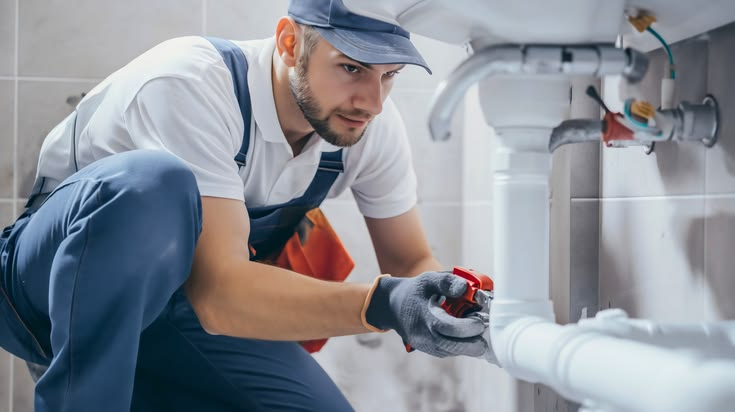
Whether you’re trying to make your home more water-efficient or need a plumber in Huntington Beach small changes can lead to big results. At Plumbing By Tony we help homeowners keep their plumbing systems in shape while helping them save on utility costs.
Image Source: Pinterest
One effective way that you could consider is fitting low-flow aerators to your taps at home in the kitchen and bathroom areas. The purpose of this is to make sure that you get enough water pressure while using minimal water.
The normal flow of a regular faucet is up to 2.2 gallons per minute. However, using an efficient aerator in your faucet will enable you to minimize the water consumed to 1.5 GPM or even to 1.0 GPM.
Also, consider the efficiency in showerheads. The old fashioned showerheads consume 5 gallons of water per minute. The current showerheads which meet the EPA WaterSense requirements consume 1.8 GPM or less. You and your family could end up saving thousands of gallons of water in a month with this simple change.
See also: How Lighting Can Change the Way Gomed Stone Looks in Real Life
Toilets are one of the sources of hidden water waste. A leaking toilet can waste between 200 and over 1,000 gallons of water every day.. The worst part? It often doesn’t make any sound. It’s hard to catch unless you know what to look for.
Here’s an easy test: add a drop of food coloring into the toilet tank. Wait 20 minutes. If colored water appears in the bowl without flushing you have a leak. A new flapper will not take a lot of time or money. In case several toilets continue to run, then it is advisable to consult an experienced plumber in Huntington Beach.
Dishwashers and washing machines use a lot of water. You can cut usage by being smarter with how you use them. Always run loads. Even if you only have half a load it uses the amount of water as a full one. So wait until you have dishes or clothes before starting a cycle.
Also skip pre-rinsing dishes under running water. Today’s dishwashers and detergents are made to handle food. Just scrape off bits then load and go. If your washer doesn’t adjust water levels automatically set the level manually based on the size of your load. Overfilling wastes water and money.
Even though the dripping tap appears to be nothing of great consequence, it really does turn out to be much more significant. One drop per second translates into wasting 3,000 gallons of water in a year, which is enough water for 180 showers. The occurrence of such leakage results from wearing out of the O-ring seals or valves.
Leaks can easily be seen, while some occur behind cabinets, within walls or even in crawl spaces. Spots, moldy smell and unexplained water stains on your ceilings may indicate that you have a leak problem. Take it seriously. Contact a plumber in Huntington Beach immediately to locate and fix the leak.
If you have a lawn or garden outdoor watering can be the part of your monthly water use, especially in summer. You can cut back significantly by watering in the morning or late in the evening. This avoids evaporation from temperatures.
Make sure they’re not spraying onto driveways, sidewalks or streets. Adjust them so they hit grass and plants. You can also upgrade to an irrigation controller. These devices use weather data to pause watering during rain or high humidity.
High water pressure puts stress on your pipes and fixtures. Setting your home’s pressure above 80 PSI means water flows more than needed. Installing a pressure regulator reduces that strain. Cut down on unnecessary water use.
Insulating hot water pipes is another win. When pipes are insulated hot water reaches your taps faster. You won’t have to run the tap while waiting for it to heat up. That saves both energy and gallons of water every week.
Your water heater uses a lot of energy. Setting the thermostat high increases your bills. The default temperature is often 140 degrees. That’s higher than needed. Lowering it to 120 degrees Fahrenheit prevents standby losses and saves energy.
It also means you’ll spend time waiting for the shower to warm up. You’ll reduce the risk of scalding. Don’t forget to flush your water heater twice a year. Drain a gallon, from the bottom drain valve. Sediment builds up over time and slows heating. Flushing helps your system work better and last longer.
Garden hoses and faucets tend to be one of the major sources of water wastage, more so when used in areas where they are exposed to weather conditions all through the year.
A dripping hose bib can lead to the loss of many gallons of water every month without leaving any indication that water wastage has occurred. Installing frost-proof hose bibs or hose shut-off valves helps ensure water gets to the garden only.
Saving on your water bill is not synonymous with having to freeze yourself every morning because you are trying to conserve water. Water saving can be achieved easily by checking for any leakages in your home and utilizing your appliances correctly.
The little things that you do today will save you money starting this present month. Inspection of your plumbing on a regular basis will ensure that no unpleasant surprises such as leakages take place in the future.